
CASE NOTES
Basilar empyema (pituitary abscess) in cattle
Phil Scott DVM&S BVM&S CertCHP DSHP DipECBHM FRCVS
Reviewed: 2016
Published: 2011
Posted Flock and Herd June 2025
This article is included in 'Nervous Diseases of Cattle', accessed from the National Animal Disease Information Service, included here with the permission of Mike Howe, NADIS. www.nadis.org.uk accessed 14 April 2025
INTRODUCTION
Basilar empyema (pituitary abscess) is a condition that occurs sporadically but is often associated with the insertion of bull rings. It is a localised infection, following ring insertion, and spreads to blood vessels around the pituitary gland, giving rise to basilar empyema.
CLINICAL PRESENTATION
The clinical signs are variable and necessitate immediate veterinary examination and treatment. The treatment response is good during the early stages but rapidly worsens if there are delays in appropriate therapy.
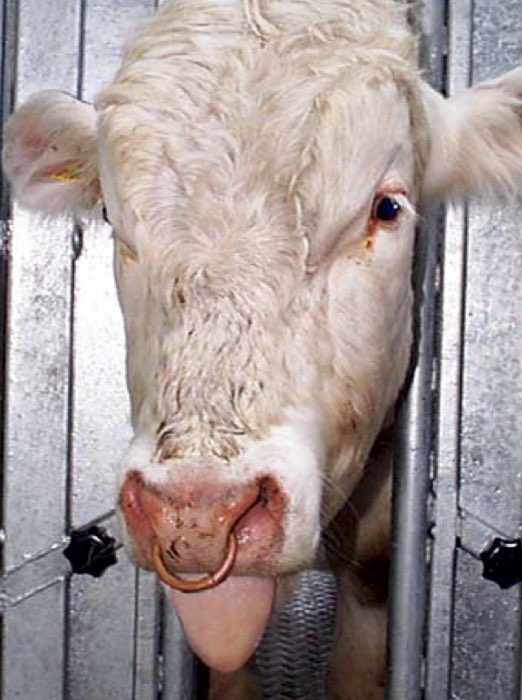
Image 1. The clinical signs of basilar empyema are variable, including protrusion of the tongue
PREVENTION AND CONTROL MEASURES
Care/hygiene when inserting bull rings. Do not use bulldog clips inserted into the nostrils as a deterrent to cross-sucking in cattle.
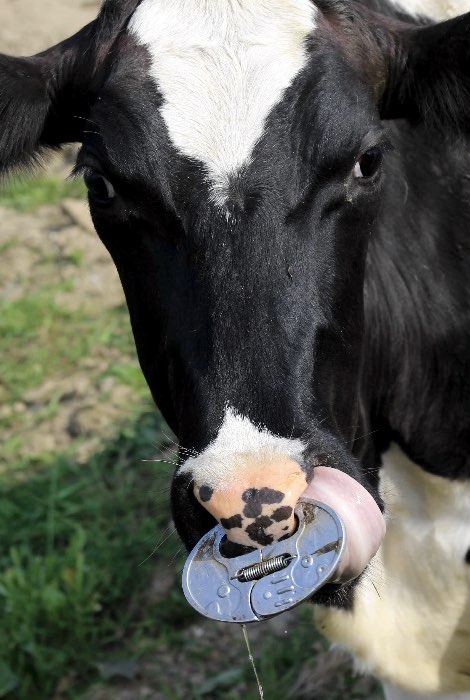
Image 2. Tight bulldog clips inserted into the nostrils to deter cross-sucking in cattle may lead to basilar empyema
DISCUSSION
Basilar empyema or pituitary abscess syndrome is also a rare condition in Australian cattle. It usually presents as protrusion of the tongue, depression and (usually) asymmetrical cranial nerve deficits. Cranial nerves III, V and VII are most commonly involved. Differential diagnoses include listeriosis and otitis media. Cattle with listeriosis are usually not blind while cattle with otitis media are frequently alert without cranial nerve deficits (Parkinson et al. 2019).
Bruce Watt
REFERENCE
- Parkinson TJ, Vermunt JJ, Malmo J and Laven R (2019) Editors Diseases of Cattle in Australasia A comprehensive textbook p 455